Why Timing Matters for Fertilization
Fertilizing your lawn provides essential nutrients like nitrogen, phosphorus, and potassium. However, applying fertilizer at the wrong time can actually harm your grass, encourage weed growth, and lead to fertilizer runoff that pollutes local waterways.
The best time to fertilize depends heavily on two factors: the type of grass you have (cool-season vs. warm-season) and your local climate.
Fertilizing Cool-Season Grasses
Cool-season grasses (like Kentucky Bluegrass, Fescue, and Perennial Ryegrass) thrive in the northern United States. They experience their most vigorous growth during the cool temperatures of spring and fall, and often go dormant during the hot summer.
The Fall Feeding (Most Important)
For cool-season grasses, fall is the absolute best time to fertilize. Applying a heavy dose of fertilizer in September or October helps the grass recover from summer stress and builds deep, strong roots before the winter freeze. If you're managing yard maintenance in Chicago, IL or lawn care in Boston, MA, a fall feeding is non-negotiable.
The Spring Feeding
A lighter application in early spring (April or May) helps kickstart growth and green up the lawn. However, be cautious not to over-fertilize in the spring, as it can lead to excessive top growth at the expense of root development.
Fertilizing Warm-Season Grasses
Warm-season grasses (like Bermuda, Zoysia, and St. Augustine) thrive in the southern and western United States. They grow vigorously during the hot summer months and go dormant in the winter.
The Late Spring/Early Summer Feeding
For warm-season grasses, late spring through summer is the prime time to fertilize. You should apply your first round of fertilizer when the grass is actively growing and you've had to mow it at least twice. This usually falls between late April and early June.
In extremely hot climates, such as when dealing with lawn care in Phoenix, AZ or landscaping in Las Vegas, NV, you may need to fertilize every 6-8 weeks during the growing season, provided you are also irrigating properly.
The Late Summer Feeding
A final application in late August or early September prepares warm-season grasses for winter dormancy. Do not fertilize too late in the fall, as pushing new growth right before a frost can severely damage the grass.
General Rules for Application
- Never fertilize dormant grass: If the grass is brown due to drought or winter, fertilizer will only feed the weeds.
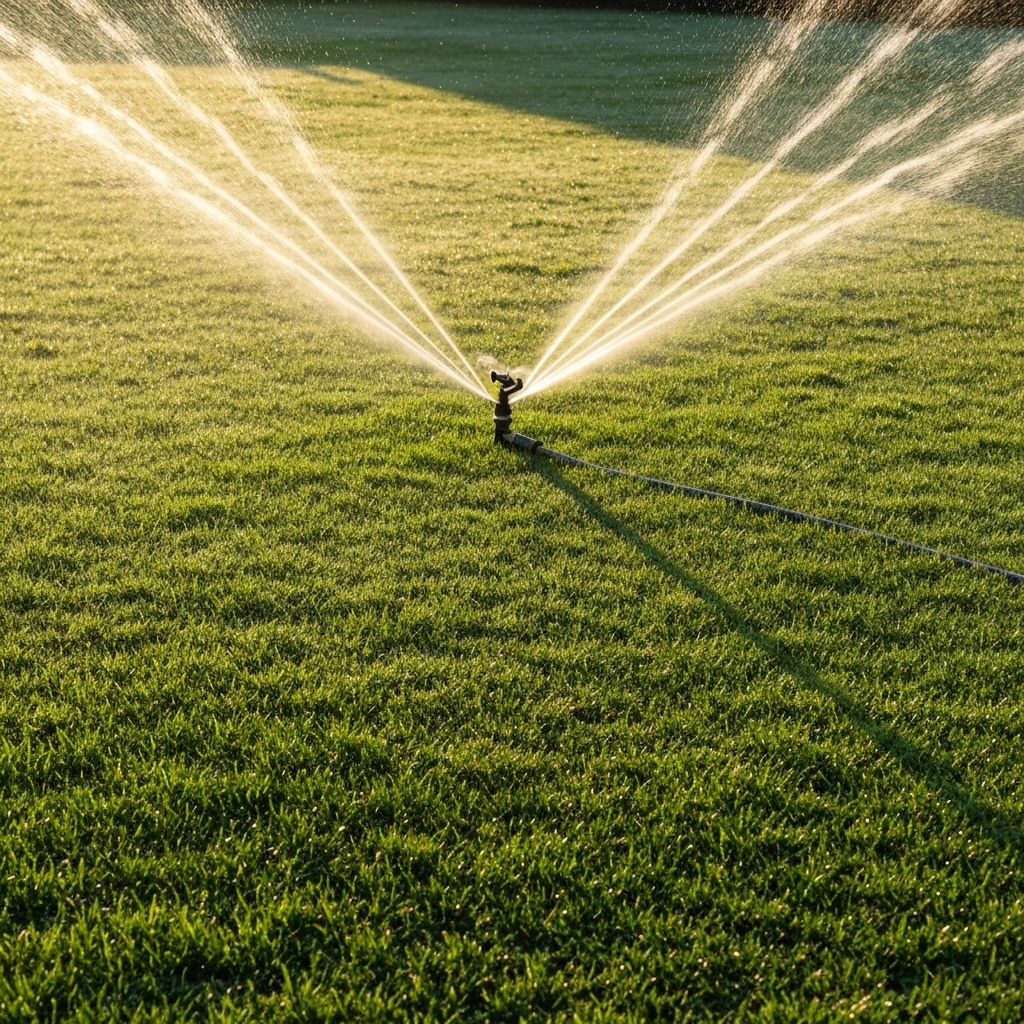
- Water it in: Always water your lawn lightly after applying granular fertilizer to wash the nutrients off the blades and into the soil.
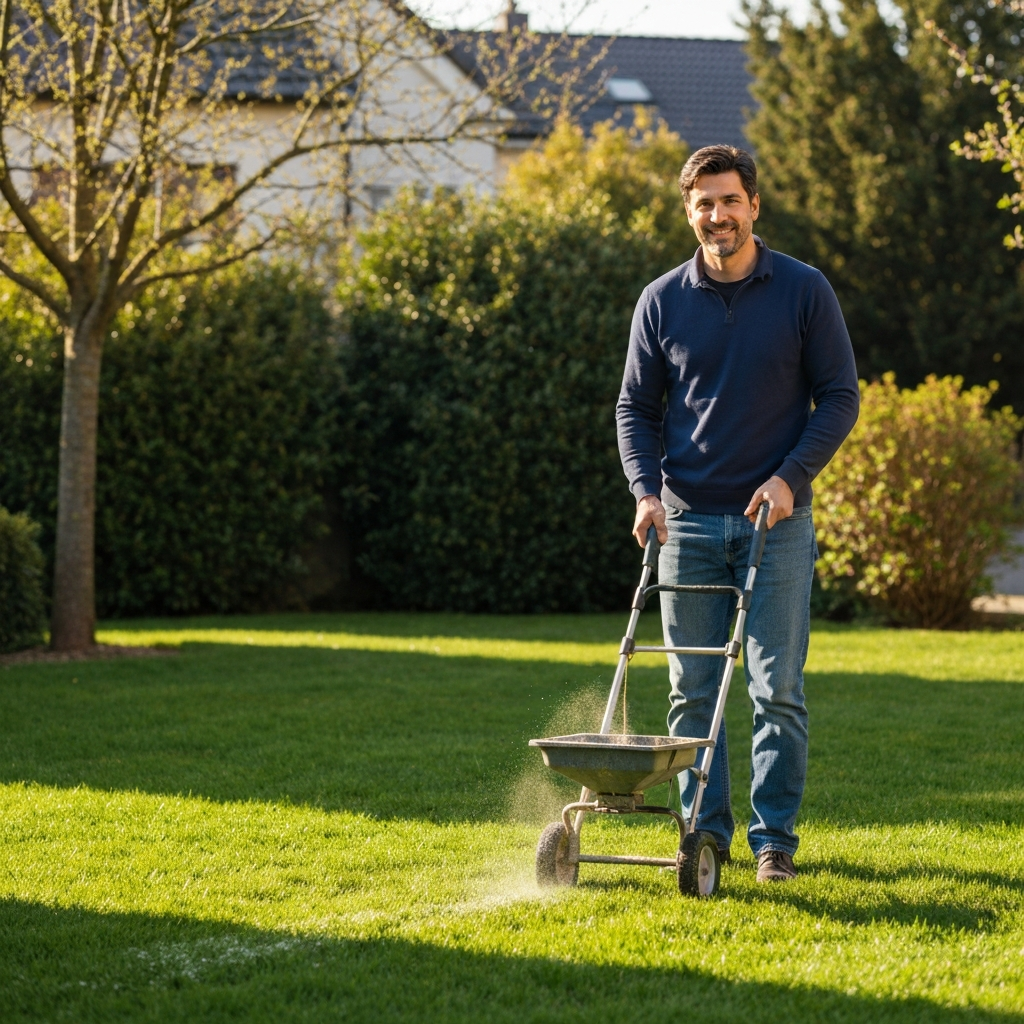
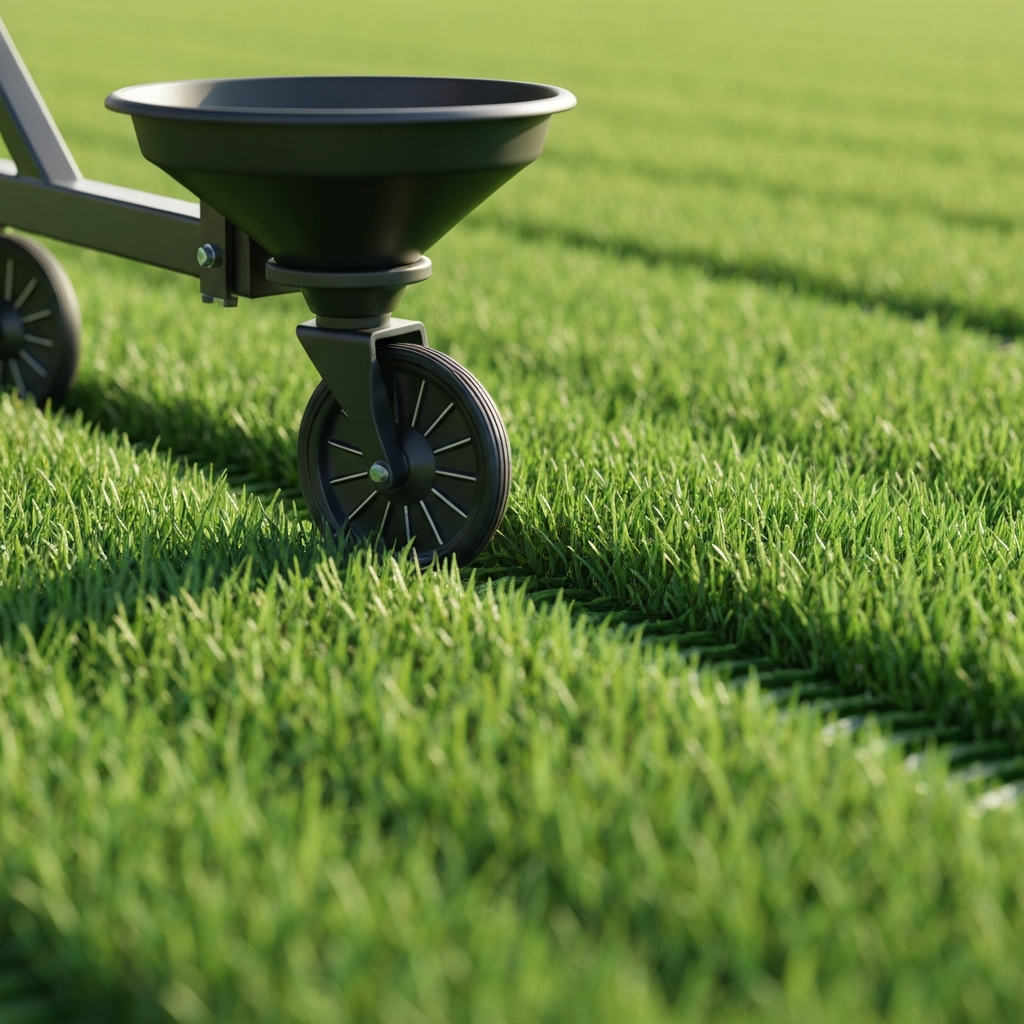
- Use a broadcast spreader: Hand-tossing fertilizer leads to uneven application and chemical burns.
If managing this schedule feels overwhelming, consider hiring professionals. Experts offering lawn care in Dallas, TX or yard maintenance in Miami, FL can set up an automated fertilization schedule tailored to your specific yard.