The Art of Watering Your Lawn
Water is the lifeblood of your lawn, but more isn't always better. In fact, improper watering habits are the leading cause of shallow root systems, fungal diseases, and wasted money on utility bills.
To cultivate a resilient, drought-tolerant lawn, you need to water strategically. Here is everything you need to know about watering your grass properly.
The Deep and Infrequent Rule
The most common mistake homeowners make is watering their lawn for 10 minutes every single day. This practice trains the grass roots to stay near the surface because that's where the water is. When a hot, dry spell hits, these shallow roots dry out quickly, and the grass dies.
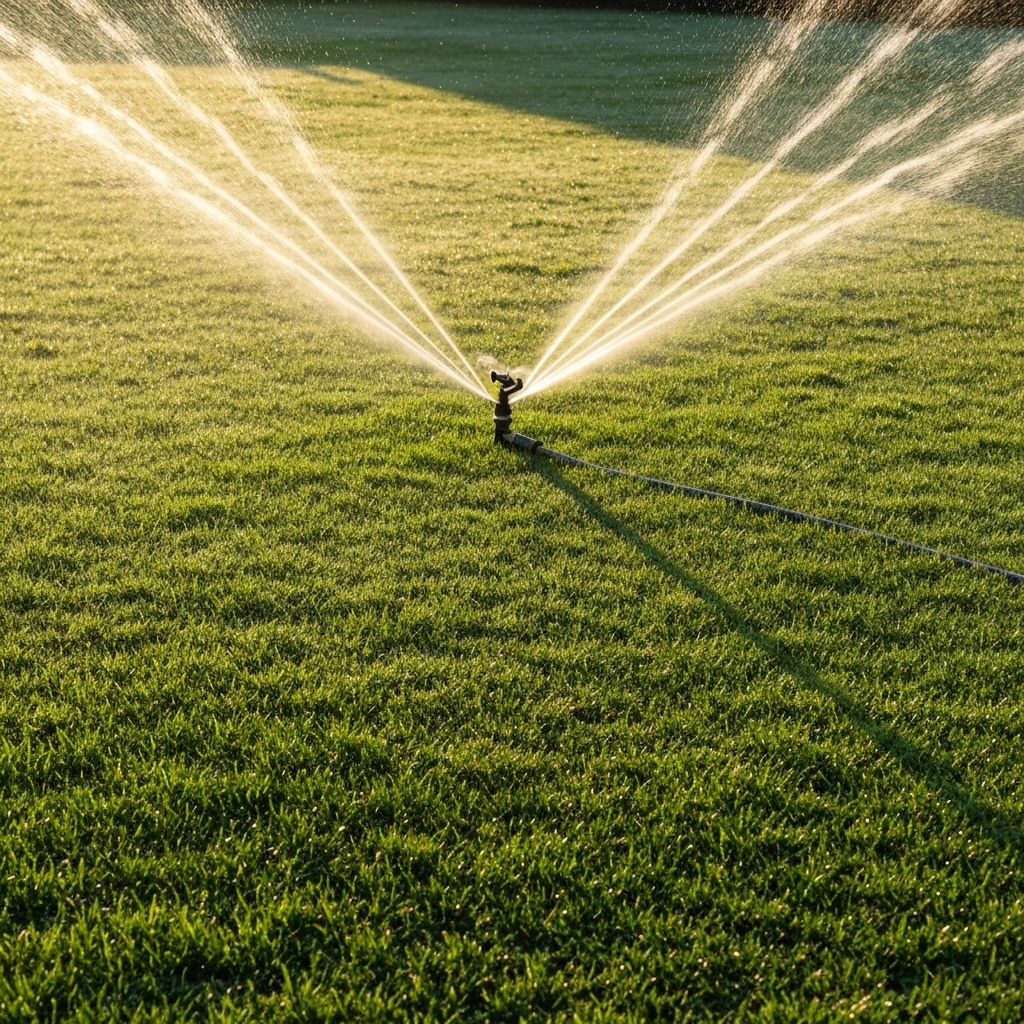
Instead, you should water deeply and infrequently. The goal is to provide 1 to 1.5 inches of water per week, delivered in one or two heavy soaking sessions. This forces the roots to grow deep into the soil in search of moisture, resulting in a much stronger, more drought-resistant lawn.
The Best Time of Day to Water
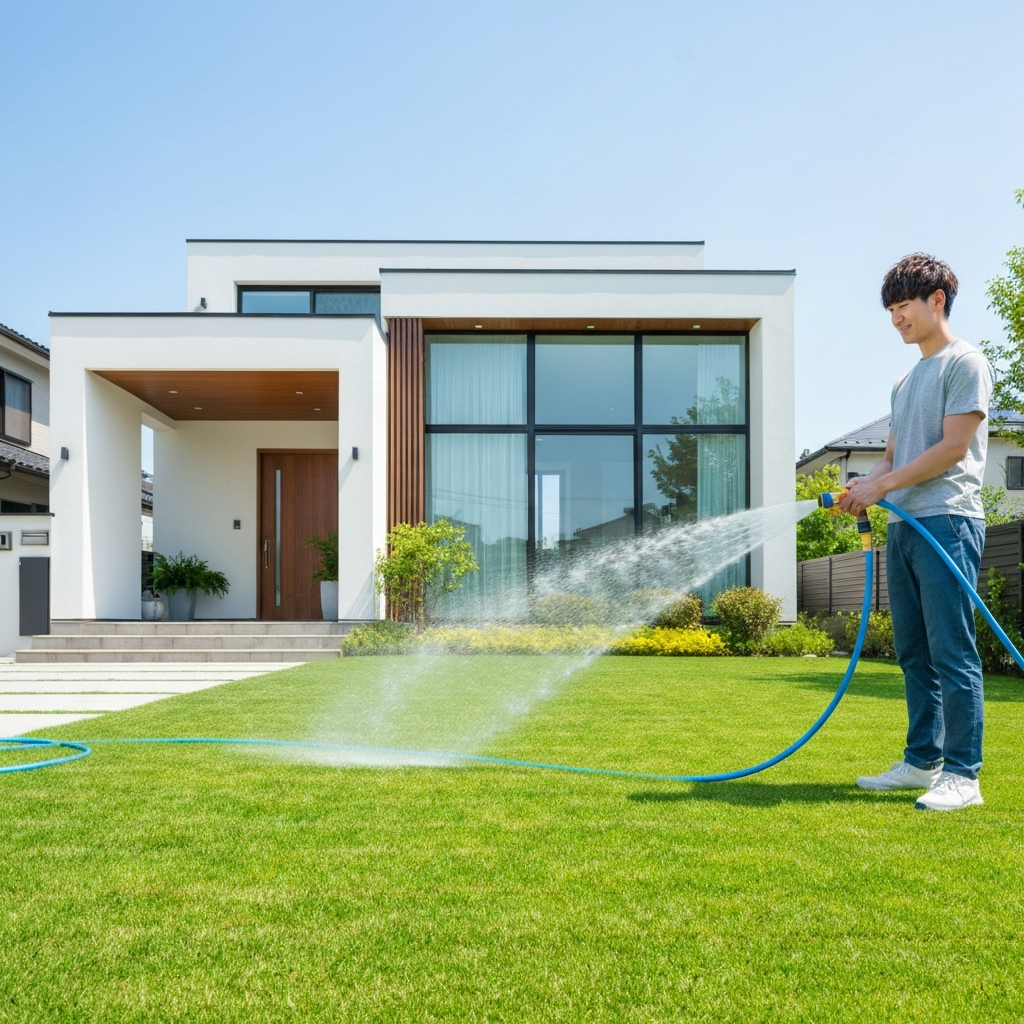
Timing is critical. The absolute best time to water your lawn is in the early morning, between 4:00 AM and 8:00 AM.
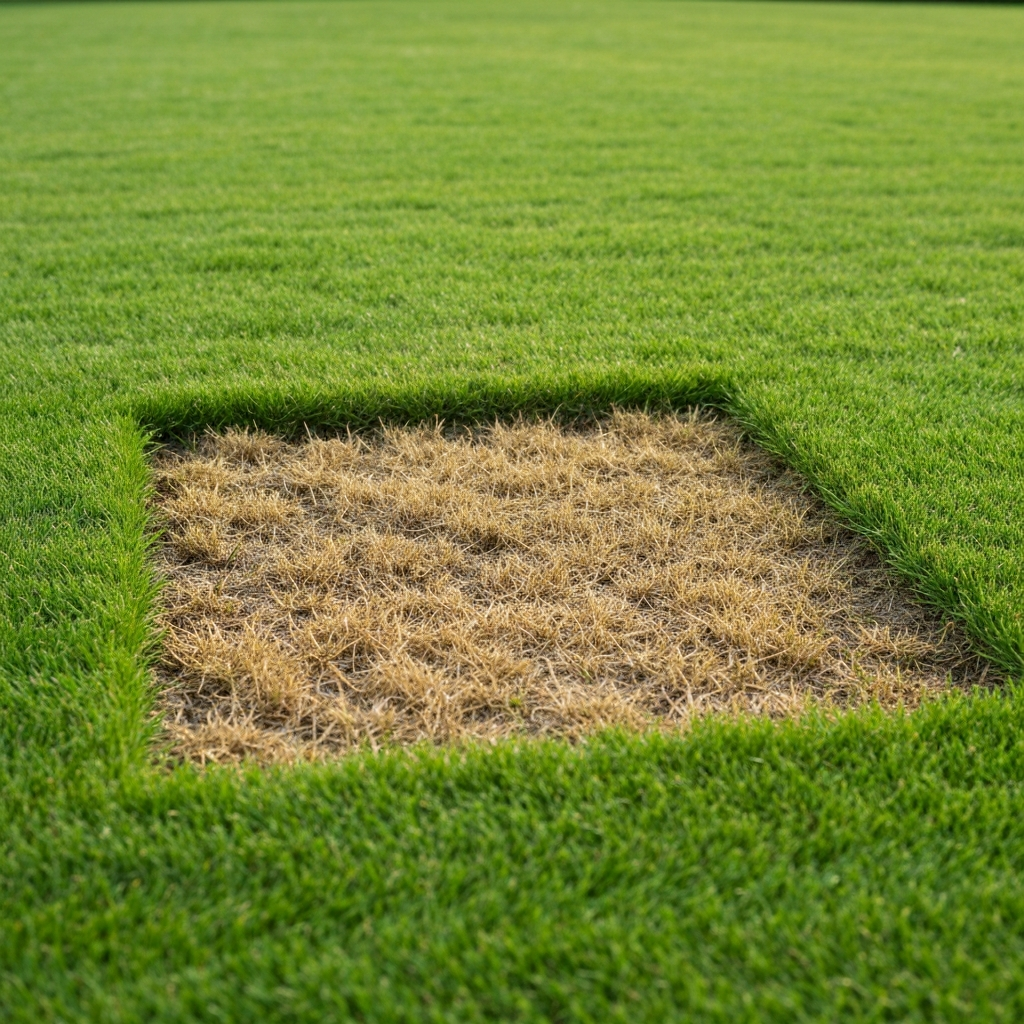
Watering in the morning allows the water to soak deeply into the soil before the heat of the sun causes rapid evaporation. It also gives the grass blades time to dry off during the day. Watering at night leaves the grass wet for hours, creating the perfect breeding ground for fungal diseases like Brown Patch.
How to Measure Your Water Output
How do you know when you've applied 1 inch of water? Use the "Tuna Can Test."
- Place several empty, flat cans (like tuna or cat food cans) around your lawn.
- Turn on your sprinklers and set a timer for 15 minutes.
- Measure the depth of the water in the cans.
- If there is 0.25 inches of water, you know it takes one hour to deliver 1 inch.
Watering in Drought and Arid Climates
If you live in a dry climate, water conservation is not just eco-friendly; it's often mandated by law. In these regions, smart irrigation systems and drought-tolerant landscaping (xeriscaping) are essential.
For example, homeowners looking for landscaping services in Las Vegas, NV or lawn care in Phoenix, AZ often replace thirsty grass with gravel, native plants, and drip irrigation to drastically reduce water usage. Even in slightly cooler but dry areas, yard maintenance in Denver, CO requires careful monitoring of sprinkler systems to avoid waste.
Signs Your Lawn Needs Water
Don't rely strictly on a calendar; look at your grass. Signs of dehydration include:
- The grass takes on a dull, grayish-blue tint.
- Footprints remain visible in the grass long after you walk on it (the blades don't spring back).
- The soil is bone dry when you push a screwdriver into the ground.
If managing your irrigation schedule is too complex, consider hiring professionals to install a smart sprinkler system that adjusts automatically based on local weather data.