Diagnosing Your Lawn Issues
Even the most meticulously maintained lawns can fall victim to problems. From sudden brown patches to an invasion of dandelions, lawn issues can be frustrating. The key to restoring your yard is accurately diagnosing the problem before applying a fix.
Here are the most common lawn problems and how to effectively treat them.
1. Mysterious Brown Spots
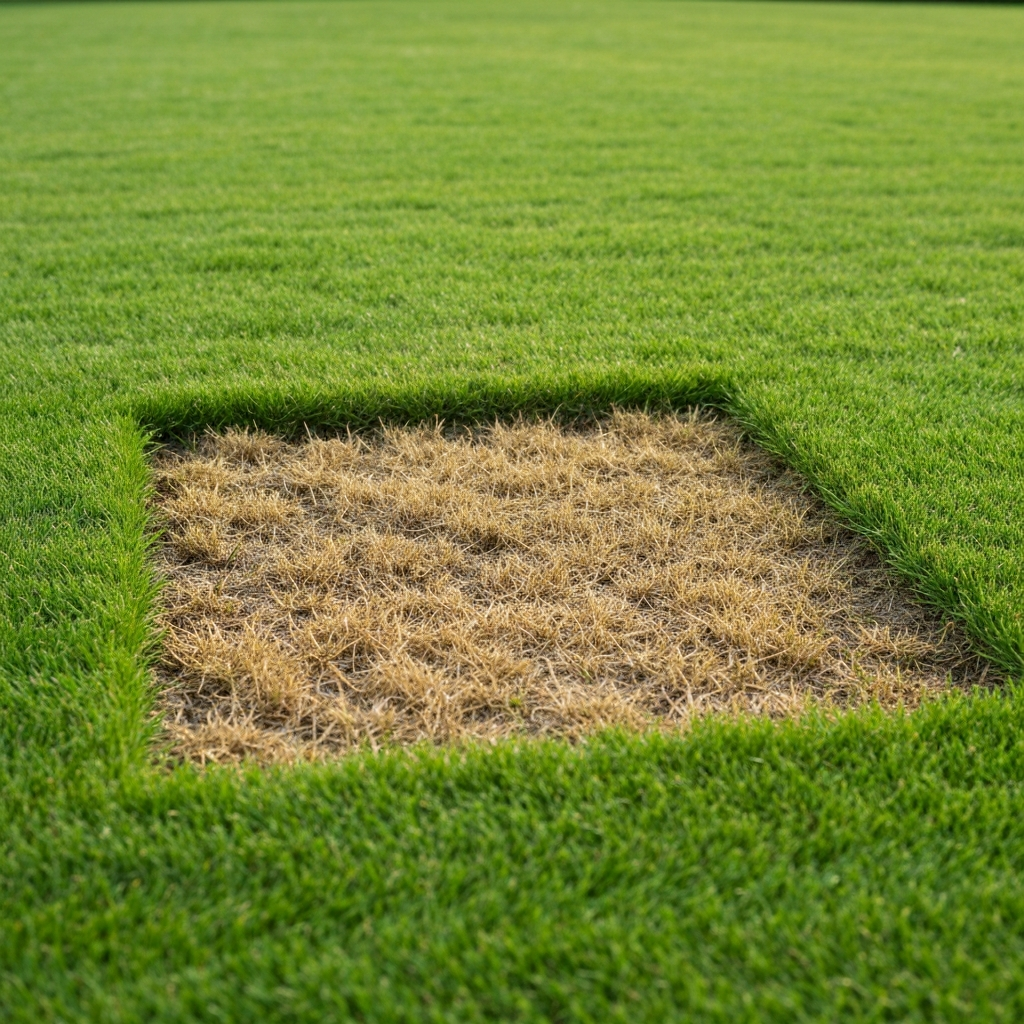
Brown spots are the most common complaint among homeowners, but they can be caused by several different issues.
Cause: Pet Urine
Dog urine is high in nitrogen, which burns the grass and creates dead, brown patches often surrounded by a ring of dark green, rapidly growing grass.
The Fix: Water the area heavily immediately after your dog urinates to dilute the nitrogen. For existing spots, rake out the dead grass, apply topsoil, and reseed the area.
Cause: Fungal Disease (Brown Patch)
If the brown spots are circular and spreading, especially during hot, humid weather, you likely have a fungal infection like Rhizoctonia (Brown Patch).
The Fix: Apply a broad-spectrum fungicide. To prevent it, avoid watering at night and reduce nitrogen fertilizer during the hottest months. Homeowners dealing with humid summers often rely on lawn care professionals in Atlanta, GA for preventative fungicide treatments.
2. Aggressive Weed Invasions
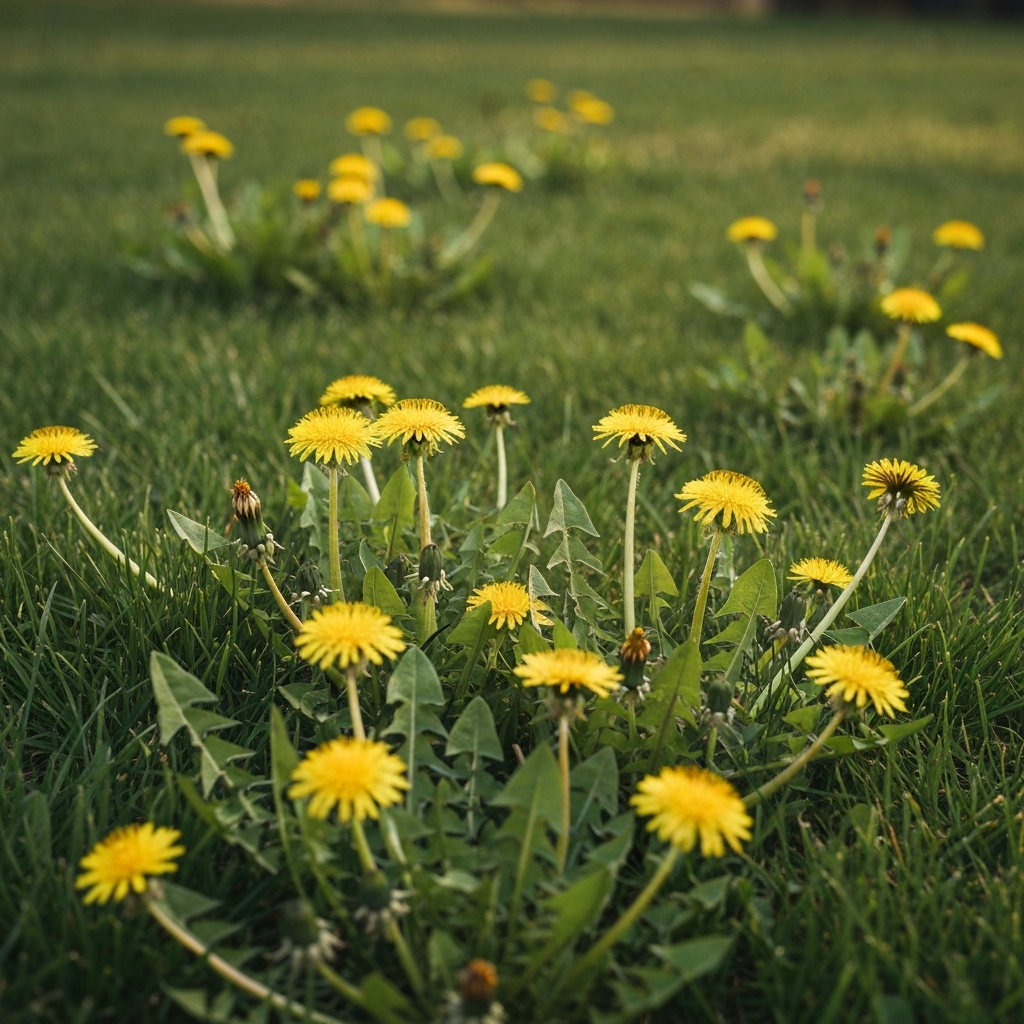
Weeds compete with your grass for water, sunlight, and nutrients. A lawn full of weeds usually indicates underlying soil issues or thin grass.
Cause: Crabgrass, Dandelions, and Clover
Weeds thrive in compacted soil and bare patches where grass is thin.
The Fix: The best defense against weeds is a thick, healthy lawn. Apply a pre-emergent herbicide in early spring to stop weed seeds from germinating. For existing weeds, use a post-emergent spray or pull them manually by the roots. If the weed problem is severe, consider core aeration to relieve soil compaction.
3. Lawn Pests (Grubs and Chinch Bugs)
If your lawn is turning brown and you can easily peel the grass back like a carpet, you have a pest problem.
Cause: White Grubs
Grubs are beetle larvae that live in the soil and feast on grass roots, effectively killing the plant from the bottom up. You might also notice an increase in birds or raccoons digging up your yard to eat them.
The Fix: Apply a curative grub control insecticide in the late summer or early fall when the grubs are small and feeding near the surface. Preventative treatments in the spring are also highly effective. If you are struggling with severe infestations, reaching out for expert yard maintenance in Chicago, IL can help eradicate the pests safely.
4. Thin, Patchy Grass in the Shade
Grass needs sunlight. If the area under your large oak tree is bare, it's not a disease; it's a lack of sun.
The Fix: Prune the lower branches of your trees to let more light through. Overseed the area with a shade-tolerant grass blend (like Fine Fescue). If grass simply refuses to grow, consider replacing it with mulch or shade-loving ground cover. This is a common task for landscaping services in Philadelphia, PA.
When to Call the Experts
If you've tried these fixes and your lawn is still struggling, the issue might be deeply rooted in the soil chemistry. A professional lawn care company can perform comprehensive soil testing and implement a targeted recovery plan.