Restoring Your Lawn's Beauty
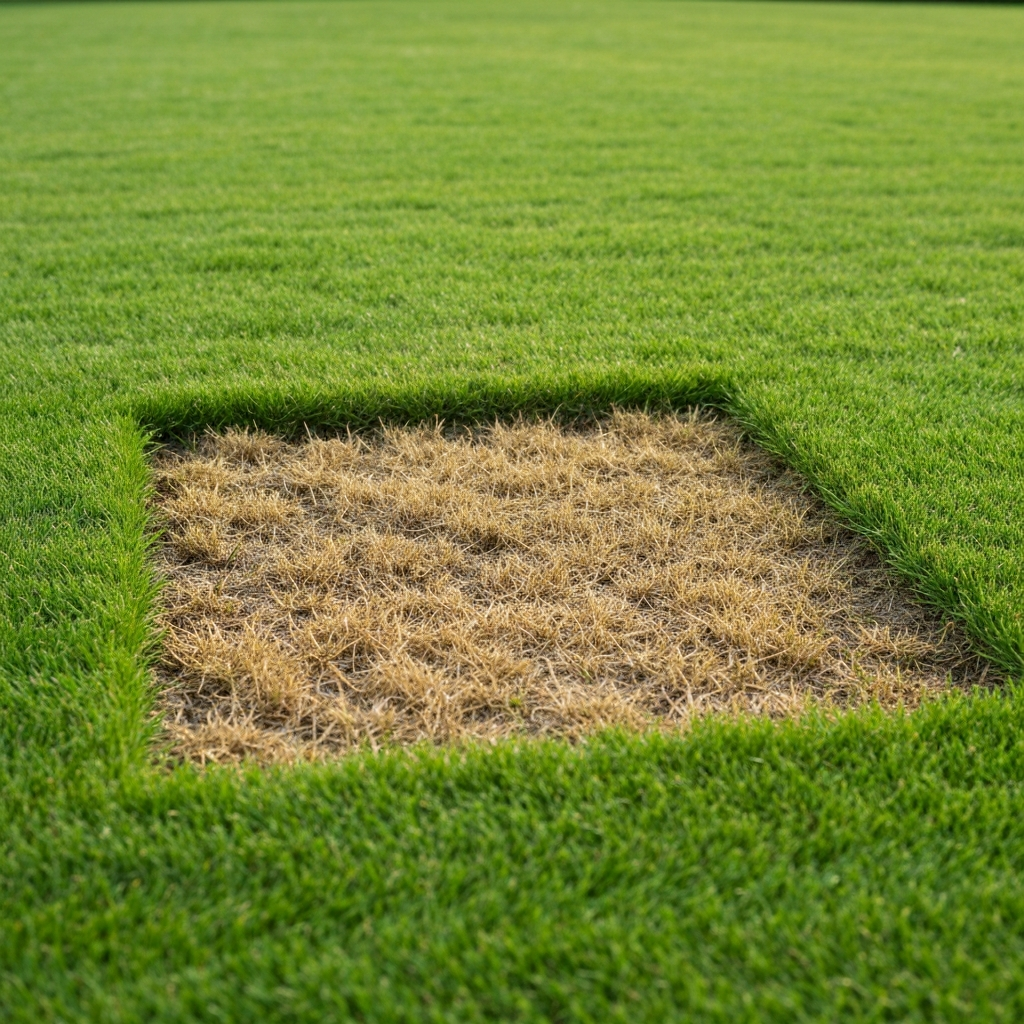
Bare spots and patchy grass are eyesores that disrupt the uniform beauty of a green lawn. They can be caused by a variety of factors, including pet urine, heavy foot traffic, fungal diseases, or grub infestations. Regardless of the cause, the process for repairing these spots is generally the same.
Step 1: Identify and Fix the Underlying Cause
Before you throw down new seed, you must address why the grass died in the first place. If you reseed a spot where your dog constantly urinates without changing the dog's habits, the new grass will simply die again. If the patch was caused by grubs, you must treat the pests first.
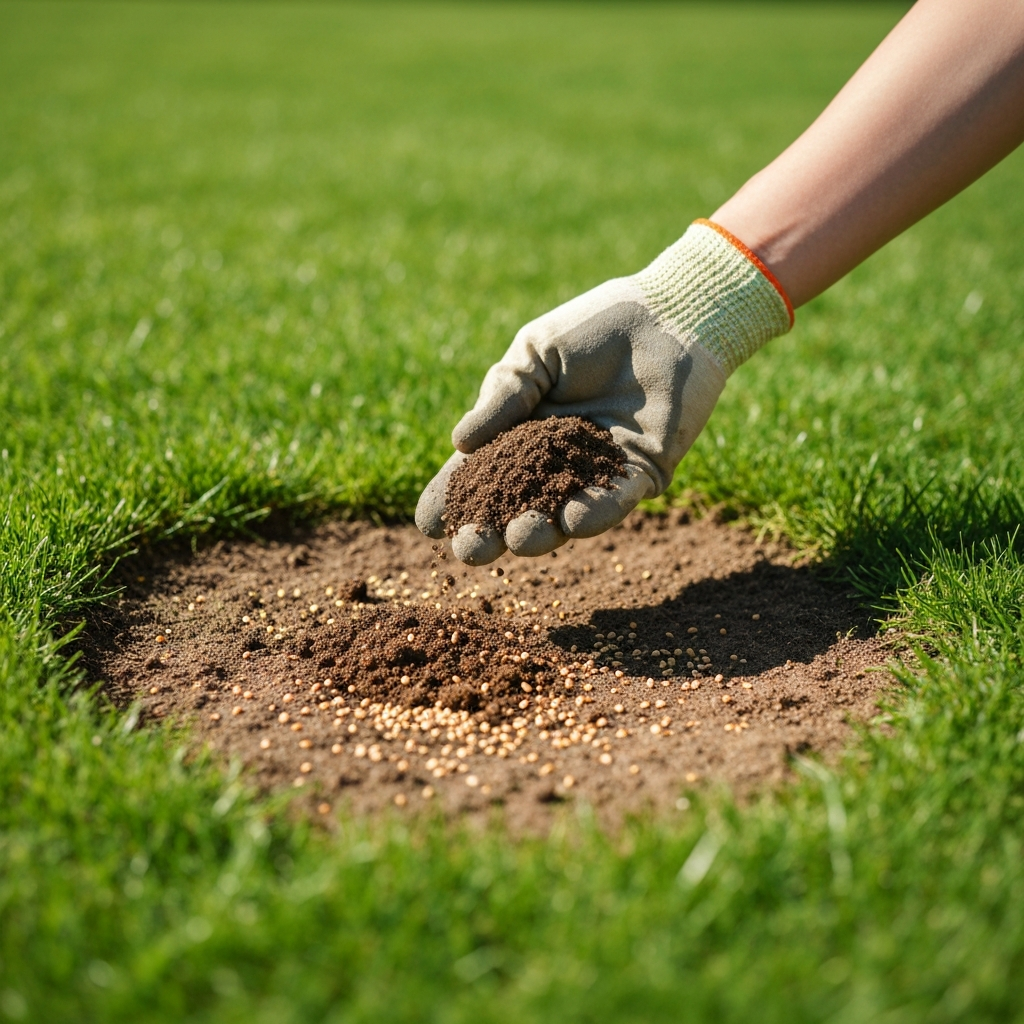
Step 2: Prepare the Soil
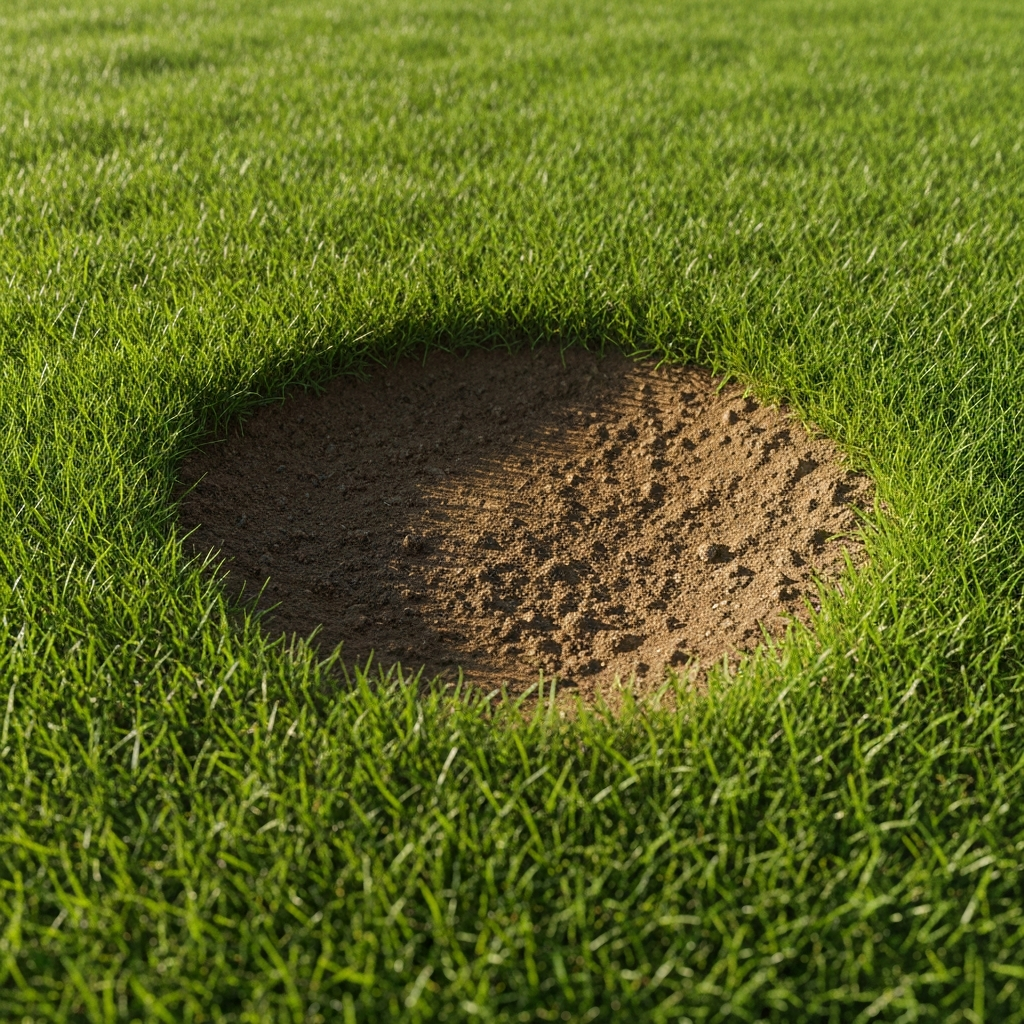
Grass seed will not germinate if it is simply tossed onto hard, compacted dirt.
- Rake the Area: Use a stiff garden rake to remove all dead grass, debris, and thatch from the bare spot.
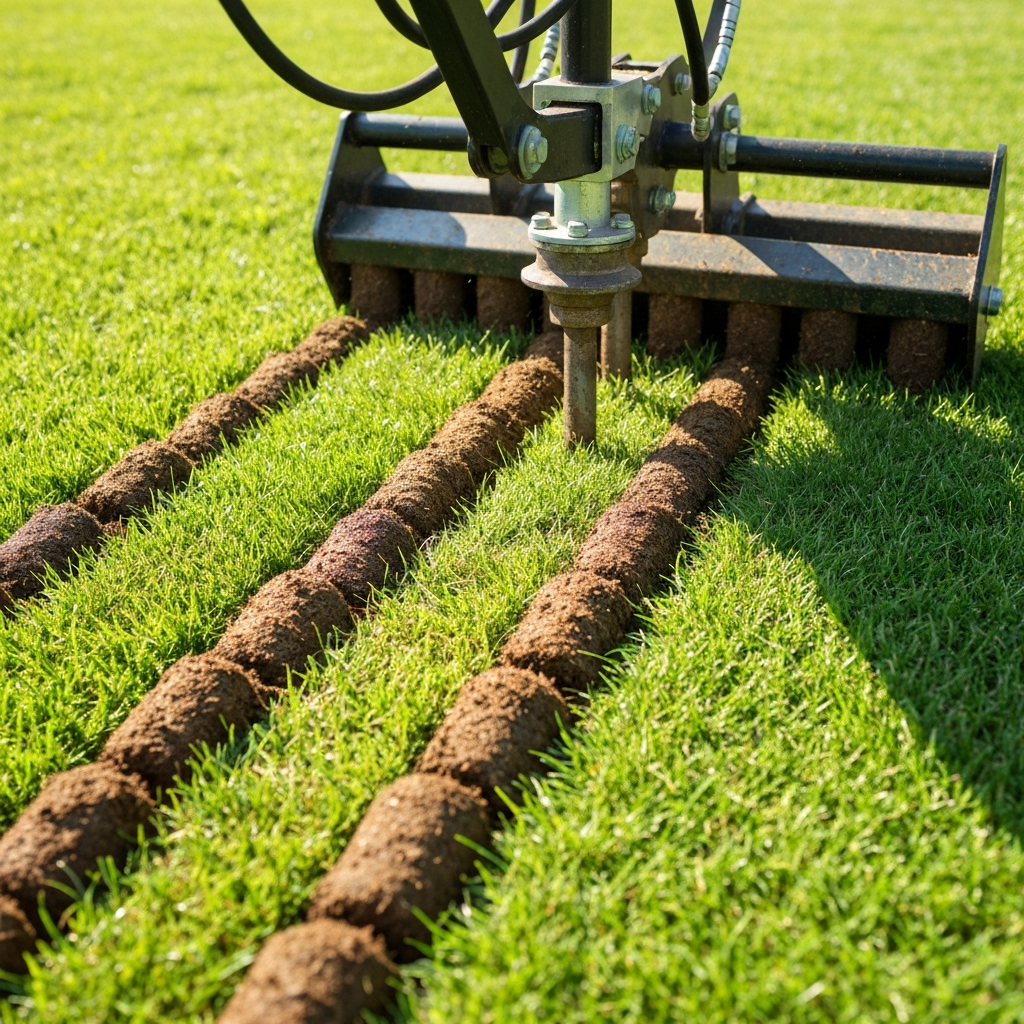
- Loosen the Soil: Dig into the top inch of soil to loosen it up. This gives the new roots a place to grab hold.
- Add Topsoil: If the area is depressed, add a layer of fresh, nutrient-rich topsoil to level it with the surrounding lawn.
Step 3: Apply the Seed
Choose a grass seed that matches your existing lawn. If you have a shady spot, ensure you use a shade-tolerant blend. Spread the seed evenly over the prepared soil. Do not over-seed; too many seeds will compete for resources and die.
Step 4: Cover and Protect
Lightly rake the area again to ensure the seeds make good contact with the soil. Then, cover the patch with a thin layer of peat moss, straw, or a specialized seed-starting mulch. This protects the seeds from birds and helps retain moisture.
Step 5: Water Diligently
This is the most critical step. The newly seeded patch must be kept constantly moist (but not flooded) until the seeds germinate. This usually requires light watering 2 to 3 times a day for a couple of weeks. Once the grass reaches 2 inches tall, you can reduce watering frequency.
If your entire lawn is looking patchy and thin, spot treatment might not be enough. You may need a full overseeding service. Consider reaching out to professionals for lawn care in New York City or landscaping in Detroit, MI to rejuvenate your yard.