The Secret to a Thick, Weed-Free Lawn
Over time, lawns can become thin and patchy due to heat stress, disease, heavy foot traffic, or simply old age. A thin lawn is an open invitation for weeds to take over. The most effective way to restore your lawn's density and vibrant color is through a process called overseeding.
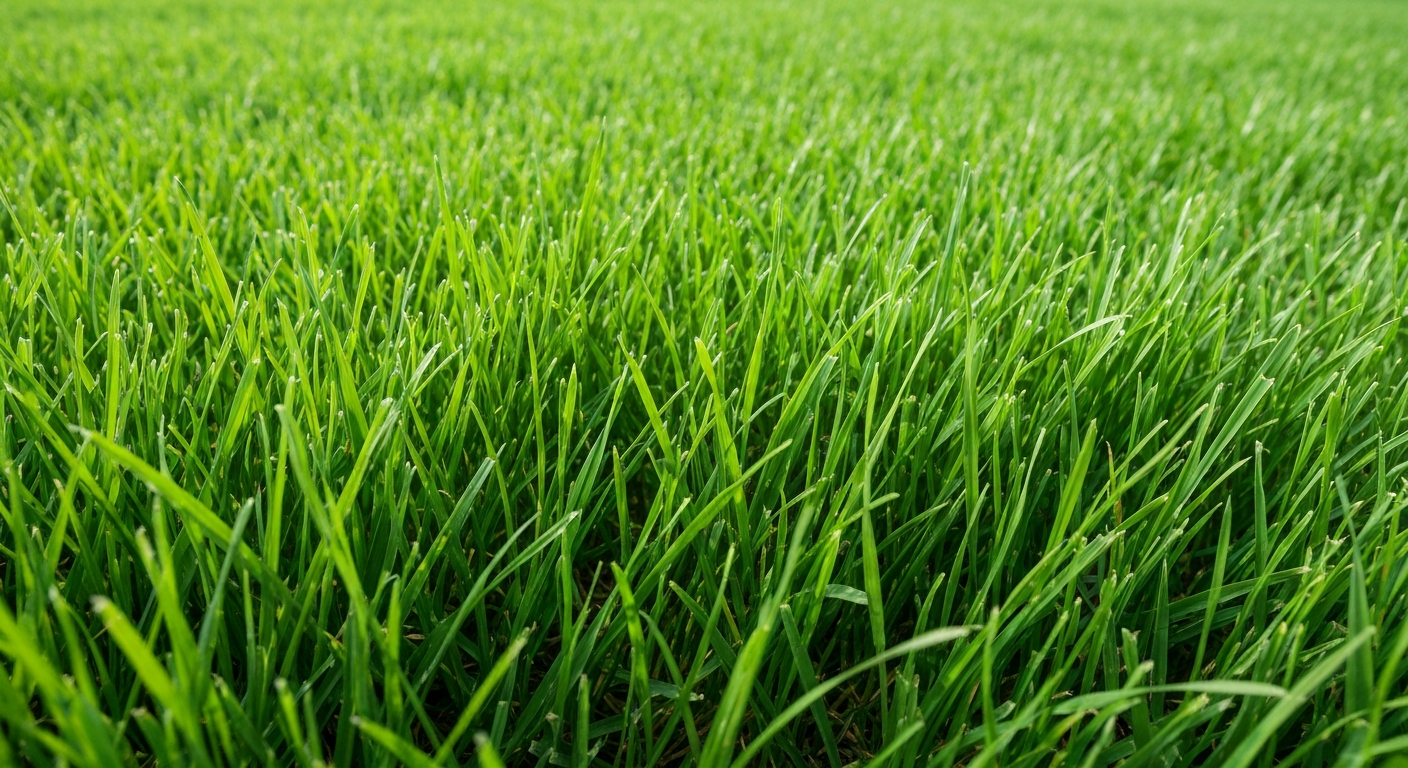
Overseeding is exactly what it sounds like: spreading new grass seed over your existing lawn. When done correctly, it fills in bare spots, improves the grass's resistance to disease, and creates a lush, thick carpet of green.
When to Overseed
Timing is critical for successful seed germination.
- Cool-Season Grasses (North & Midwest): The absolute best time to overseed is early fall (late August to September). The soil is still warm for germination, but the air is cool, and weed competition is low.
- Warm-Season Grasses (South & West): Overseed in late spring or early summer when the grass is actively growing.

Step 1: Prep the Lawn (Mow and Aerate)
You cannot simply throw seed onto tall grass and expect it to grow. The seed must make direct contact with the soil.
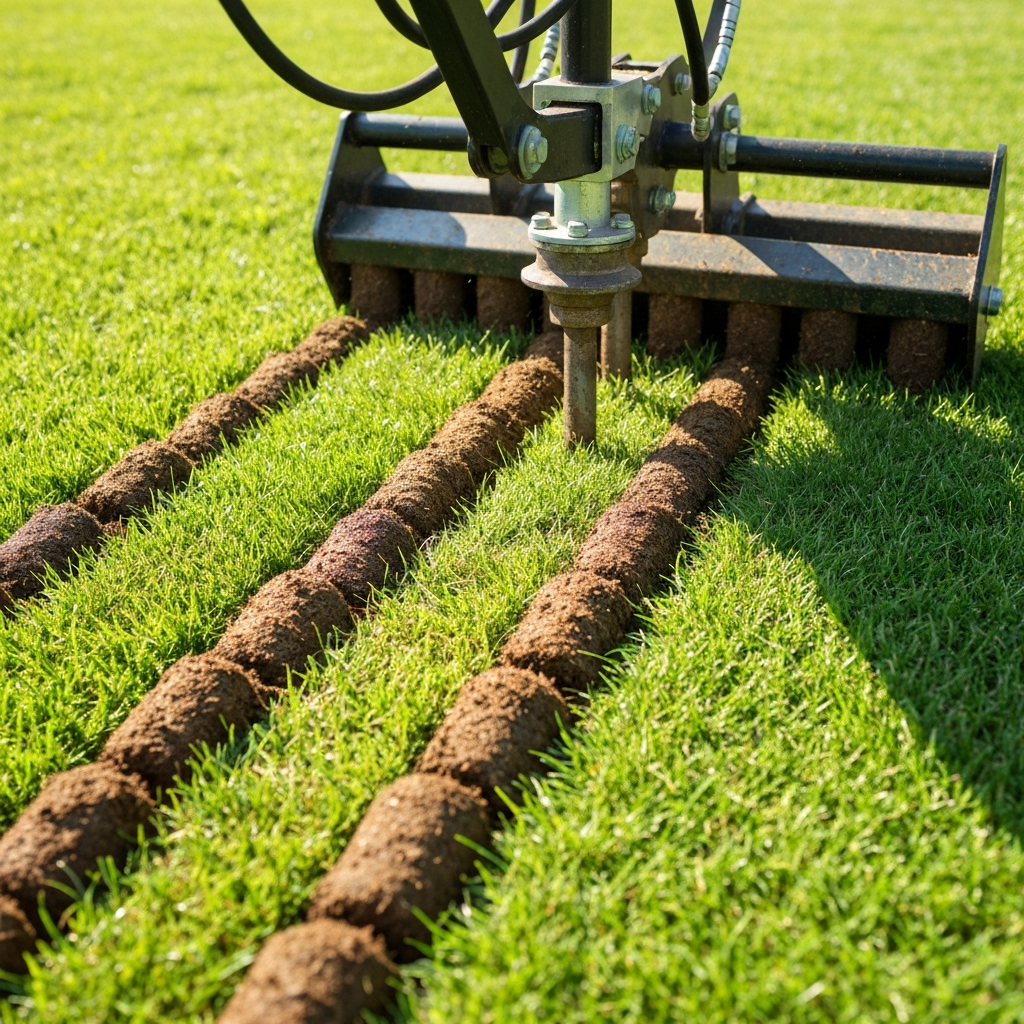
First, mow your lawn shorter than usual (about 1.5 to 2 inches) and bag the clippings. Next, it is highly recommended to core aerate the lawn. Aeration pulls plugs of soil out of the ground, relieving compaction and creating perfect little pockets for the new seeds to fall into and germinate safely.
Step 2: Choose the Right Seed
Select a high-quality grass seed that matches your existing lawn and your local climate. If your yard has become shadier over the years due to growing trees, consider mixing in a shade-tolerant variety like Fine Fescue. Don't buy cheap seed; it often contains a high percentage of weed seeds and filler.
Step 3: Spread the Seed and Fertilizer
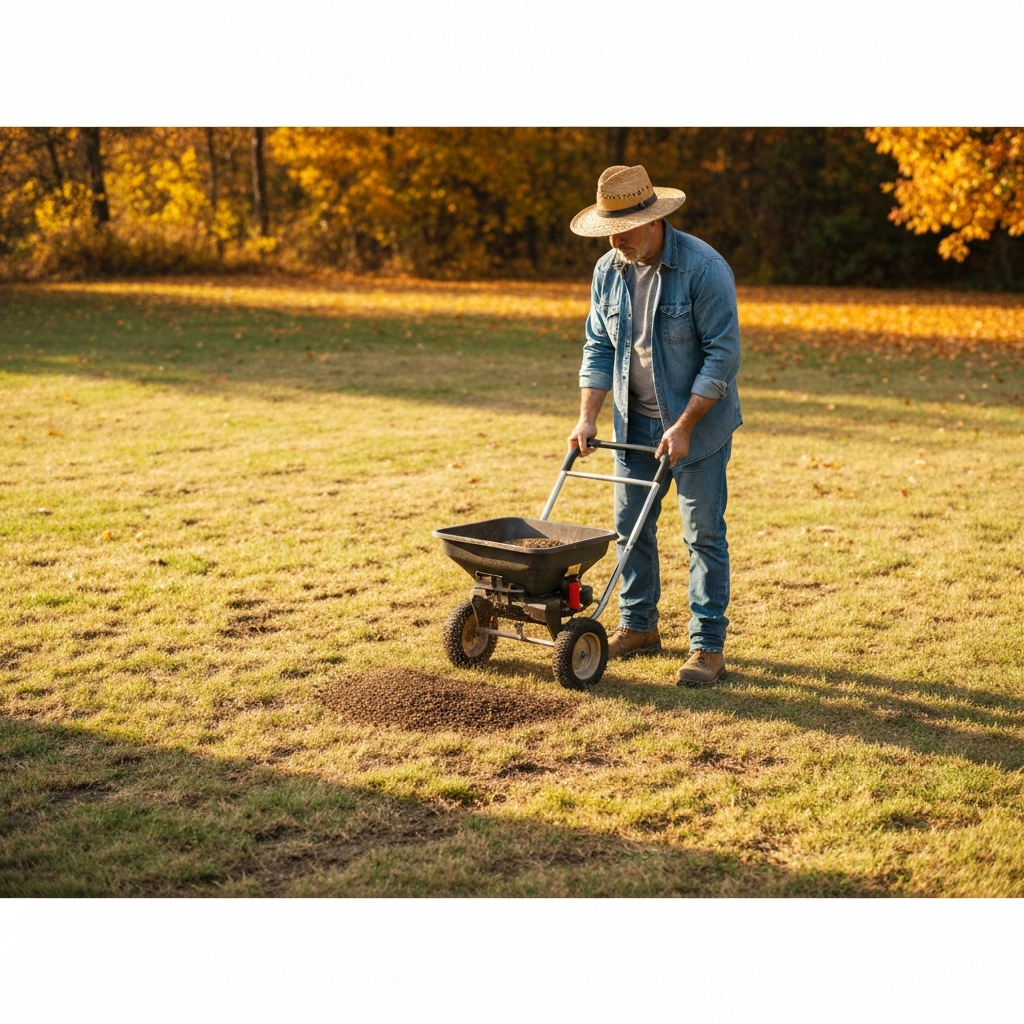
Use a broadcast spreader to apply the seed evenly across the lawn. Go over the lawn in a crisscross pattern to ensure full coverage. Immediately after seeding, apply a "starter fertilizer" (which is high in phosphorus) to encourage rapid root development.
Step 4: Water Constantly
This is where most homeowners fail. Grass seed must remain constantly moist until it germinates. This means you need to water the lawn lightly 2 to 3 times a day for the first two weeks. If the seed dries out, it dies. Once the new grass reaches 2 inches tall, you can gradually reduce the watering frequency.
Overseeding is labor-intensive, especially if you need to rent an aerator. Many homeowners opt to have local professionals handle the job. If you need help, reach out to lawn care experts in Detroit, MI or landscaping services in New York City for a full fall aeration and overseeding package.