The Shift Toward Sustainable Lawns
More homeowners than ever are looking to reduce their environmental footprint, and the backyard is a great place to start. Traditional lawn care often relies heavily on synthetic fertilizers and harsh chemical pesticides, which can leach into groundwater and harm local wildlife.
Organic lawn care focuses on building healthy soil naturally, creating an environment where grass thrives and pests are naturally deterred.
1. Topdress with Compost
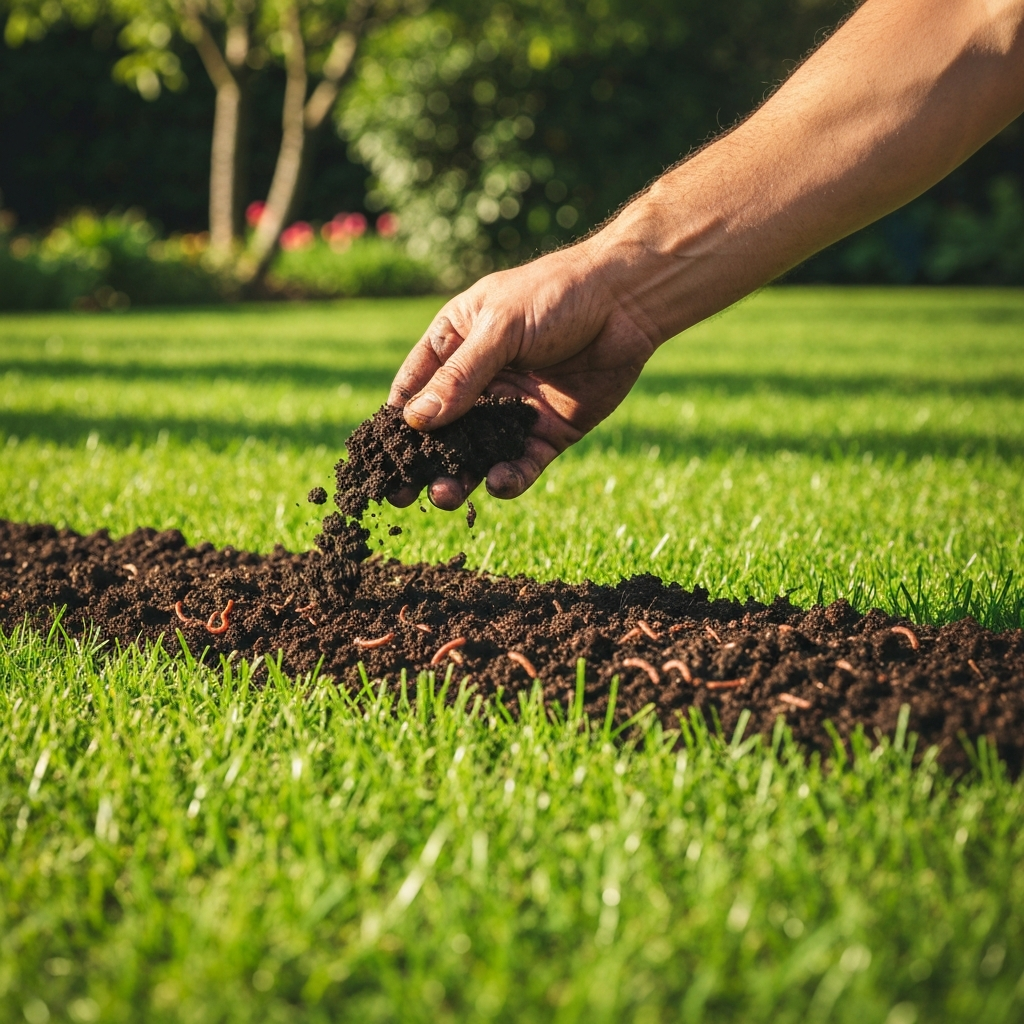
The foundation of an organic lawn is healthy soil. Instead of applying synthetic fertilizers, topdress your lawn with a thin layer (about 1/4 inch) of high-quality compost in the fall. Compost is rich in organic matter and beneficial microbes that naturally feed the grass and improve soil structure.
2. Practice Grasscycling
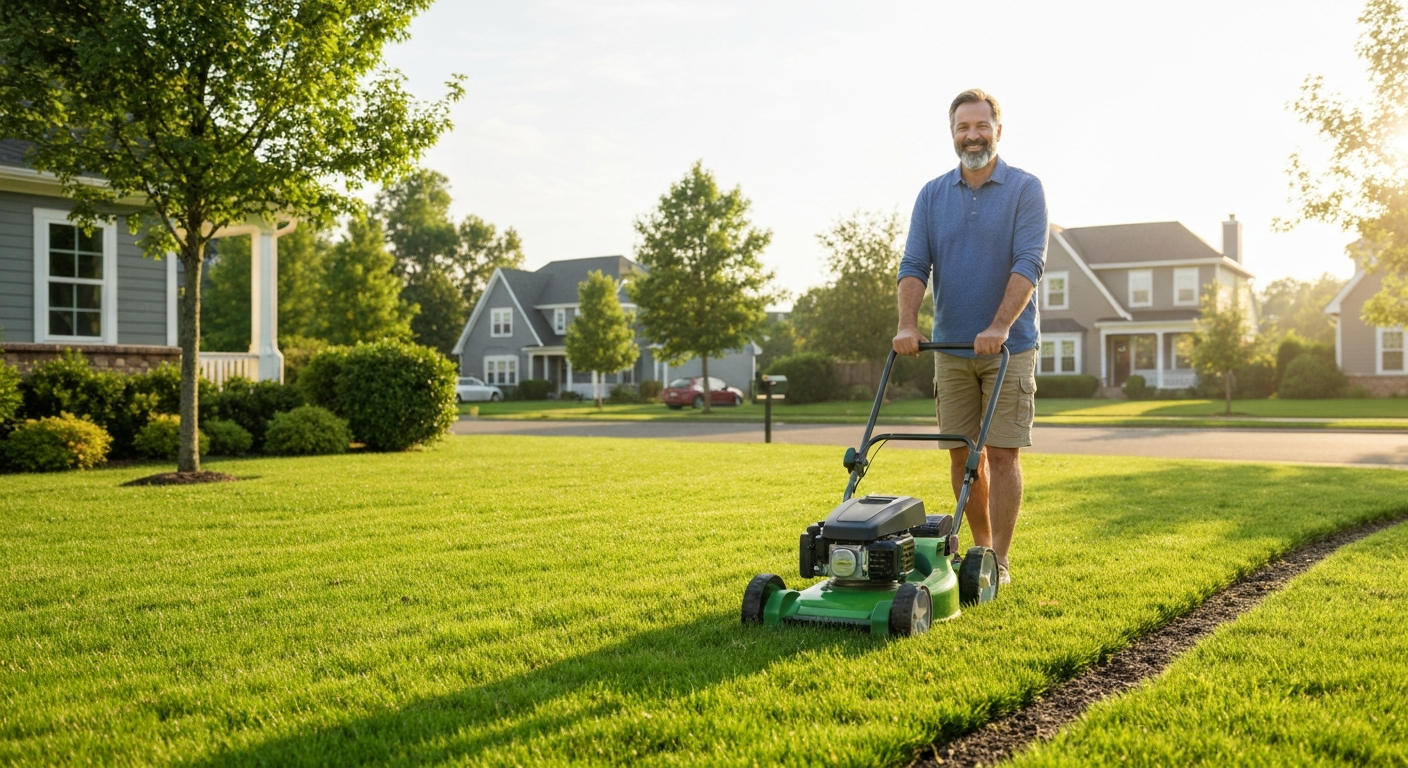
Don't bag your grass clippings! Leave them on the lawn. As the clippings break down, they return valuable nitrogen and moisture to the soil. It's essentially free, organic fertilizer. If the clippings are too long and clumping, use a mulching mower to chop them into finer pieces.
3. Use Organic Fertilizers
If your soil test indicates a need for additional nutrients, choose organic fertilizers made from natural ingredients like bone meal, blood meal, kelp, or feather meal. These products release nutrients slowly over time, preventing the rapid growth spurts (and subsequent crashes) associated with synthetic chemicals.
4. Natural Weed Control
In an organic lawn, a few weeds are considered acceptable. For the ones you must remove, manual pulling is the best option. For larger areas, you can use organic herbicides derived from corn gluten meal (which acts as a natural pre-emergent) or herbicidal soaps.
5. Embrace Clover
Decades ago, clover was considered a standard part of a healthy lawn. It is a legume that naturally fixes nitrogen from the air and adds it to the soil, feeding the surrounding grass. Consider mixing micro-clover into your grass seed for a naturally self-fertilizing, drought-tolerant yard.
Organic lawn care is particularly popular on the West Coast. If you are looking for sustainable landscaping services in Los Angeles, CA or eco-friendly lawn care in Seattle, WA, many local professionals now specialize exclusively in organic treatments.