Why You Need a Level Lawn
A bumpy, uneven lawn is more than just an eyesore. It makes mowing difficult, increases the risk of scalping the grass, creates drainage issues, and poses a tripping hazard for kids and pets. Lawns can become uneven over time due to freezing and thawing cycles, soil settling, water runoff, or heavy foot traffic.
Fortunately, leveling a lawn (also known as topdressing) is a manageable DIY project if you follow the right steps.
When to Level Your Lawn
The best time to level your lawn is during the grass's peak growing season. For cool-season grasses (like Fescue or Kentucky Bluegrass), this is early fall or spring. For warm-season grasses (like Bermuda or Zoysia), early summer is ideal. You want the grass to be actively growing so it can quickly push through the new layer of soil.

Step 1: Mow and Dethatch
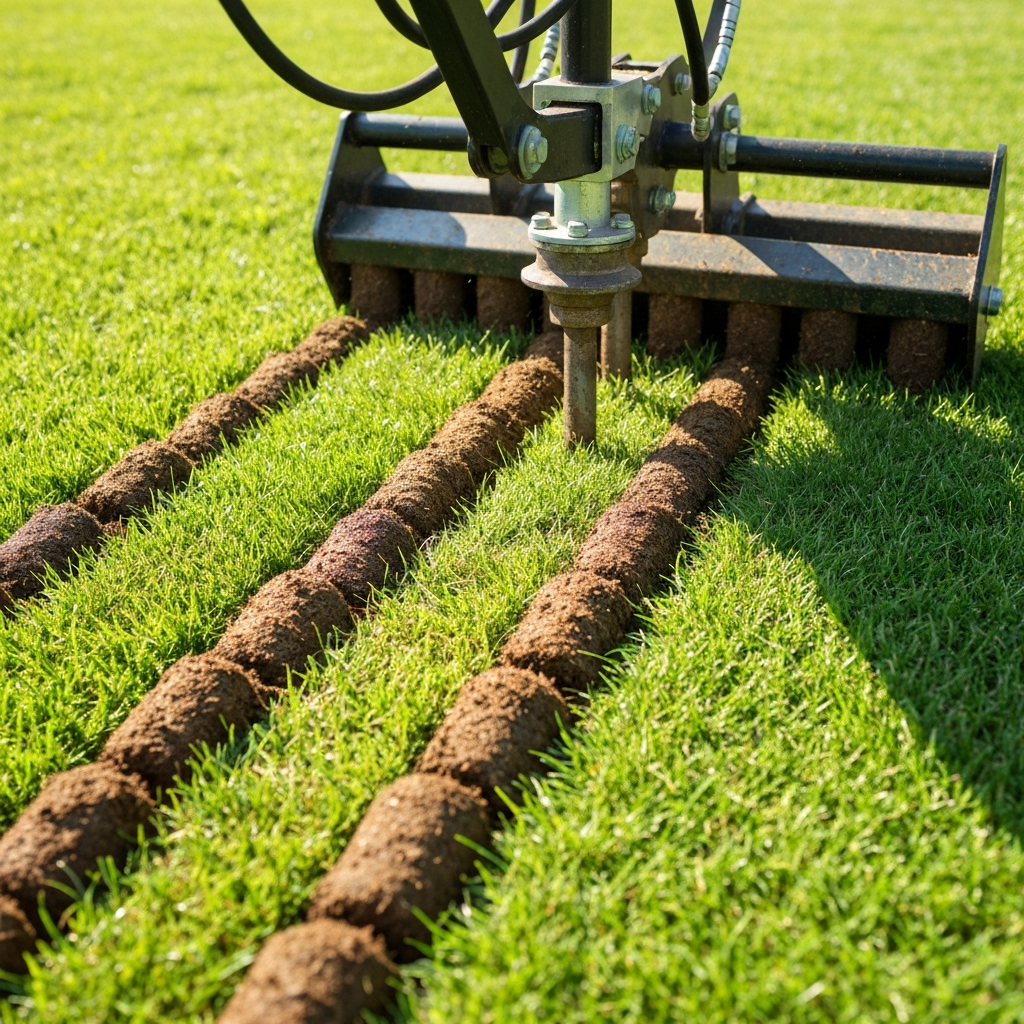
Start by mowing your lawn slightly lower than usual. This makes it easier to see the uneven spots and helps the leveling mix reach the soil. If you have a thick layer of thatch (dead grass), run a dethatching rake or machine over the lawn. You want the leveling mix to touch the soil, not sit on top of dead debris.
Step 2: Create Your Leveling Mix
Do not use pure topsoil, as it can become compacted and turn to mud. The ideal leveling mix is a combination of sand and topsoil or sand and compost.
- For heavy clay soils: Use a mix of 70% sand and 30% compost to improve drainage.
- For sandy soils: Use a mix of 60% topsoil/compost and 40% sand to retain moisture.
Always use clean, washed play sand or masonry sand to avoid introducing weed seeds into your yard.
Step 3: Fill Deep Holes First
If you have deep ruts or holes (deeper than 2 inches), you need to fix these before topdressing the entire lawn. Remove the grass from the hole using a shovel, fill the hole with your leveling mix, and then place the grass patch back on top. Water it thoroughly so it settles.
Step 4: Spread the Leveling Mix
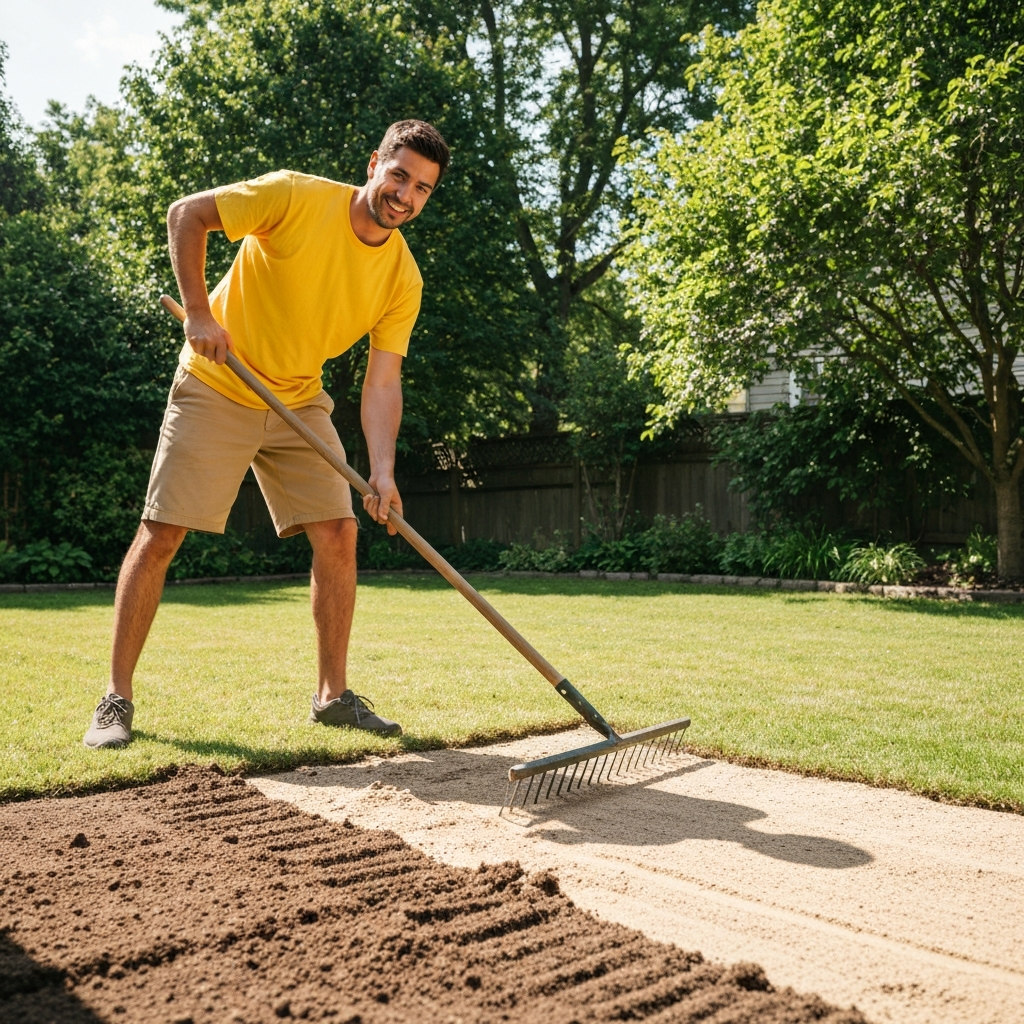
Using a shovel, toss small piles of your leveling mix across the uneven areas of your lawn. Then, use a landscaping rake (or a specialized lawn leveling rake) to push the mix into the low spots. Important: Do not cover the grass blades completely. The tips of the grass must remain visible so they can receive sunlight and continue growing.
Step 5: Water and Wait
Water the lawn deeply to help the leveling mix settle into the low spots. You may need to repeat the topdressing process a few times over the season to fix severe bumps, but patience is key.
If your yard requires massive regrading or you simply don't have the time, it's best to hire professionals. Homeowners in Dallas, TX or Chicago, IL often rely on local landscaping services for heavy-duty lawn leveling.