Why is Moss Growing in My Lawn?
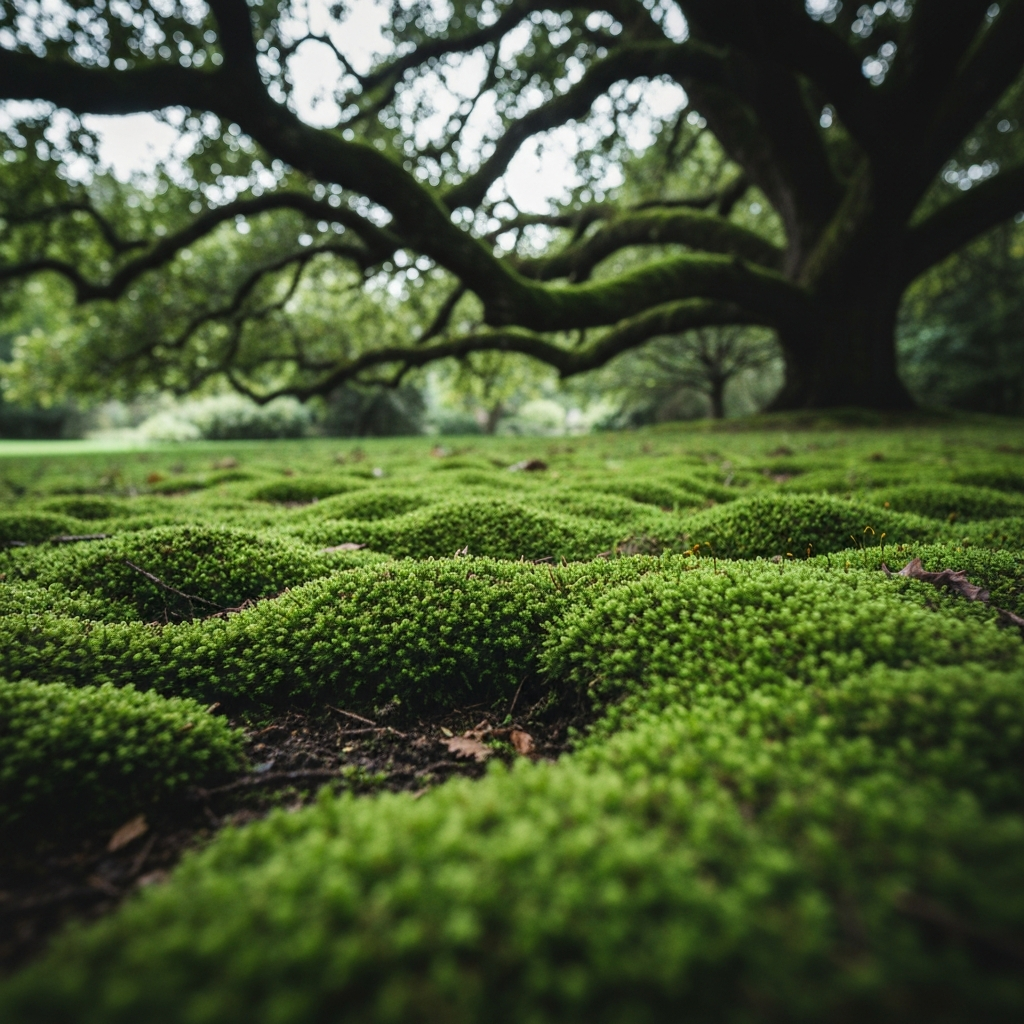
A common misconception is that moss is an aggressive weed that kills grass. In reality, moss is an opportunist. It grows in areas where grass cannot survive. If you have moss taking over your lawn, it is a glaring indicator that your soil conditions are poor.
Moss thrives in environments that are shady, constantly damp, highly acidic, and have compacted soil. To truly get rid of moss, you must kill the existing growth and then fix the underlying environmental issues.
Step 1: Kill the Existing Moss
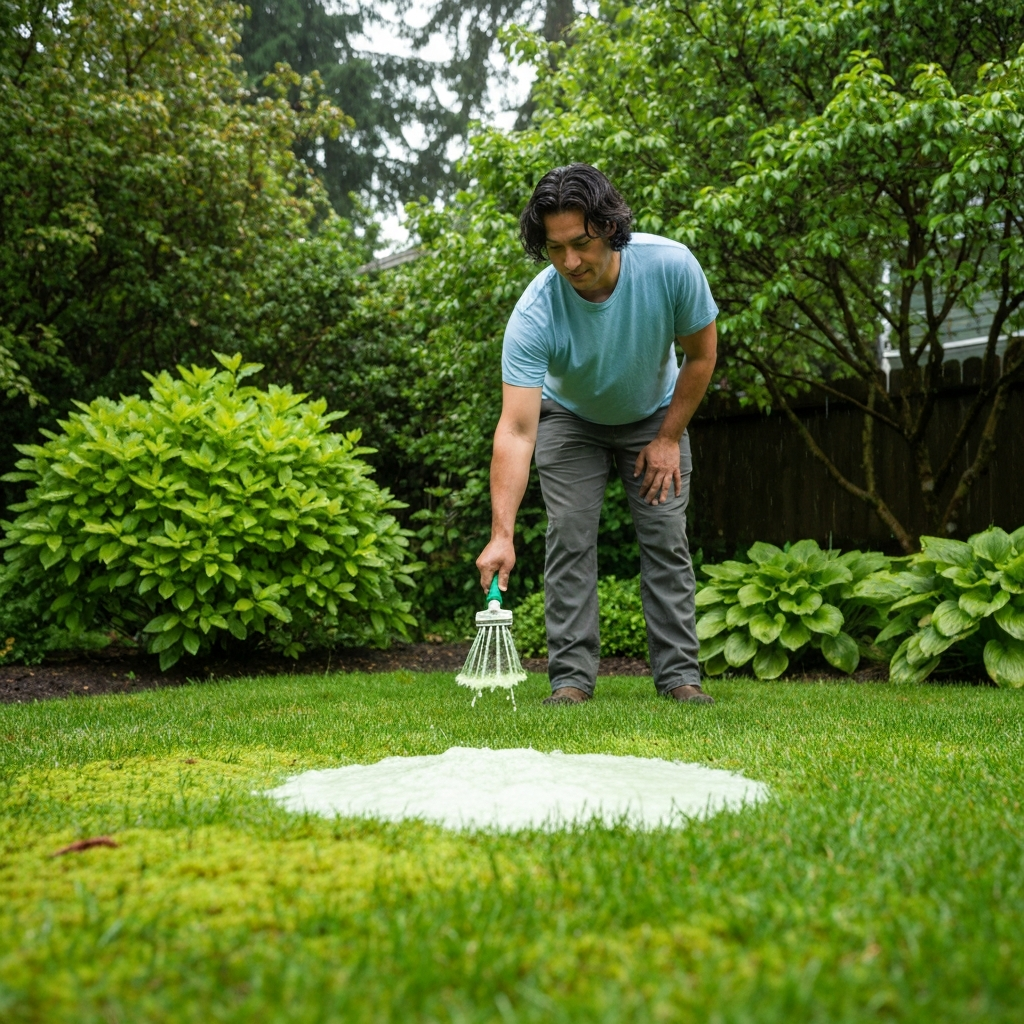
Before you can fix the soil, you need to remove the moss. The most effective way to kill moss is to apply a moss control product containing iron sulfate (ferrous sulfate). You can apply this as a liquid spray or granular spread.
Within a few days, the moss will turn black and die. Once it is completely black, use a stiff landscaping rake or a dethatching machine to aggressively rake the dead moss out of the lawn. Do not skip the raking step; dead moss will not decompose quickly and will prevent new grass from growing.
Step 2: Fix the Underlying Problems
If you don't change the environment, the moss will return next year. Address the following issues:
1. Improve Drainage and Reduce Compaction
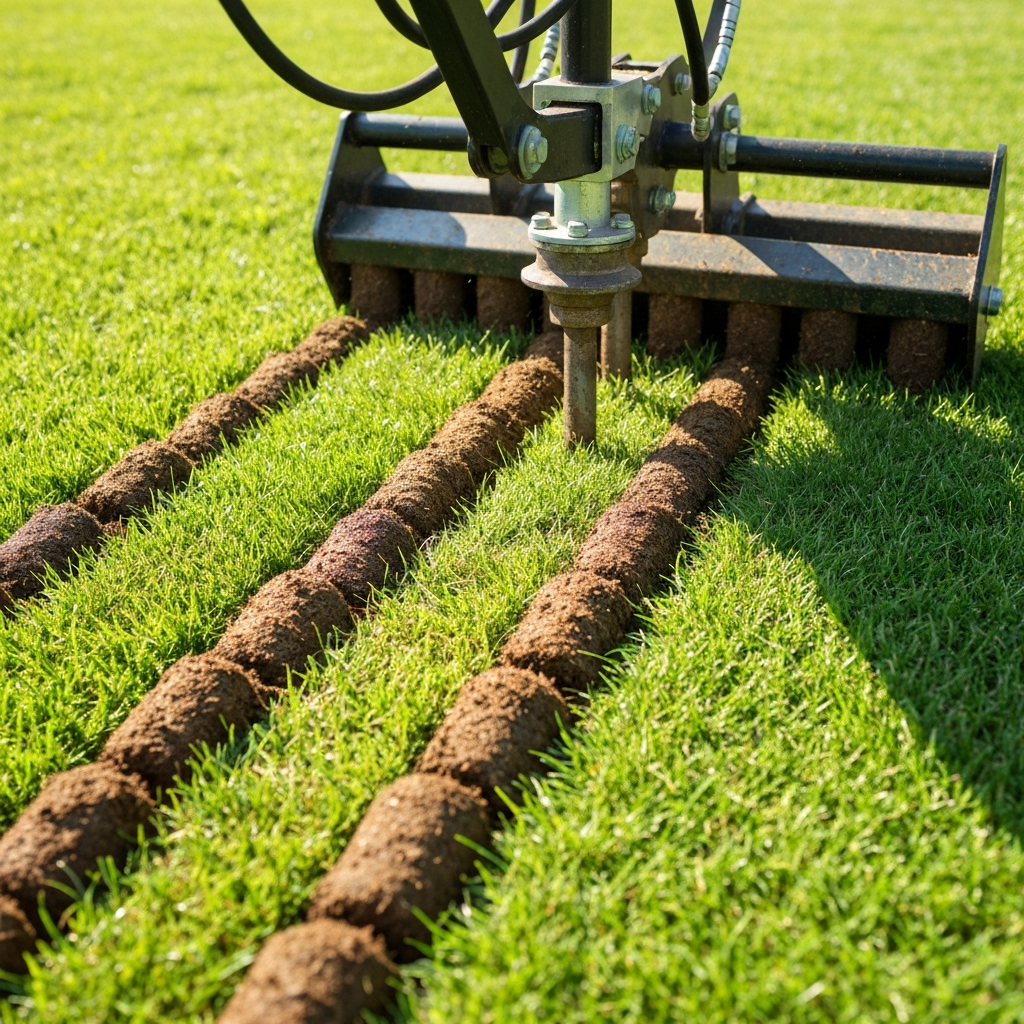
Moss loves soggy, compacted soil. Core aerate your lawn to relieve compaction and allow water to drain deeper into the soil rather than pooling on the surface.
2. Let the Sun In
Grass needs sunlight; moss loves the shade. Prune back low-hanging tree branches and thin out dense canopies to allow more sunlight to reach the ground.
3. Correct Soil Acidity
Moss thrives in acidic soil (low pH). Perform a soil test, and if your pH is below 6.0, apply lime to raise the pH and make the soil more hospitable for grass.
Step 3: Reseed the Area
Once the moss is gone and the soil is prepped, you need to establish thick grass to prevent the moss from returning. Overseed the bare areas with a shade-tolerant grass blend (like Fine Fescue) and keep it watered until established.
Moss is a massive issue in wet climates like the Pacific Northwest. If you are constantly battling it, hiring professionals for lawn care in Seattle, WA or yard maintenance in Boston, MA can help implement long-term drainage and soil correction strategies.