
When Insects Attack Your Yard
You water perfectly, you fertilize on schedule, and you mow at the right height, but your lawn is still turning brown and dying in massive patches. The culprit is likely lurking just beneath the surface. Lawn pests can decimate a beautiful yard in a matter of weeks if left unchecked.
Here is how to identify and eliminate the most destructive lawn pests.
1. White Grubs (The Root Eaters)
White grubs are the larvae of various beetles (like Japanese beetles). They live in the soil and feast on the roots of your grass.
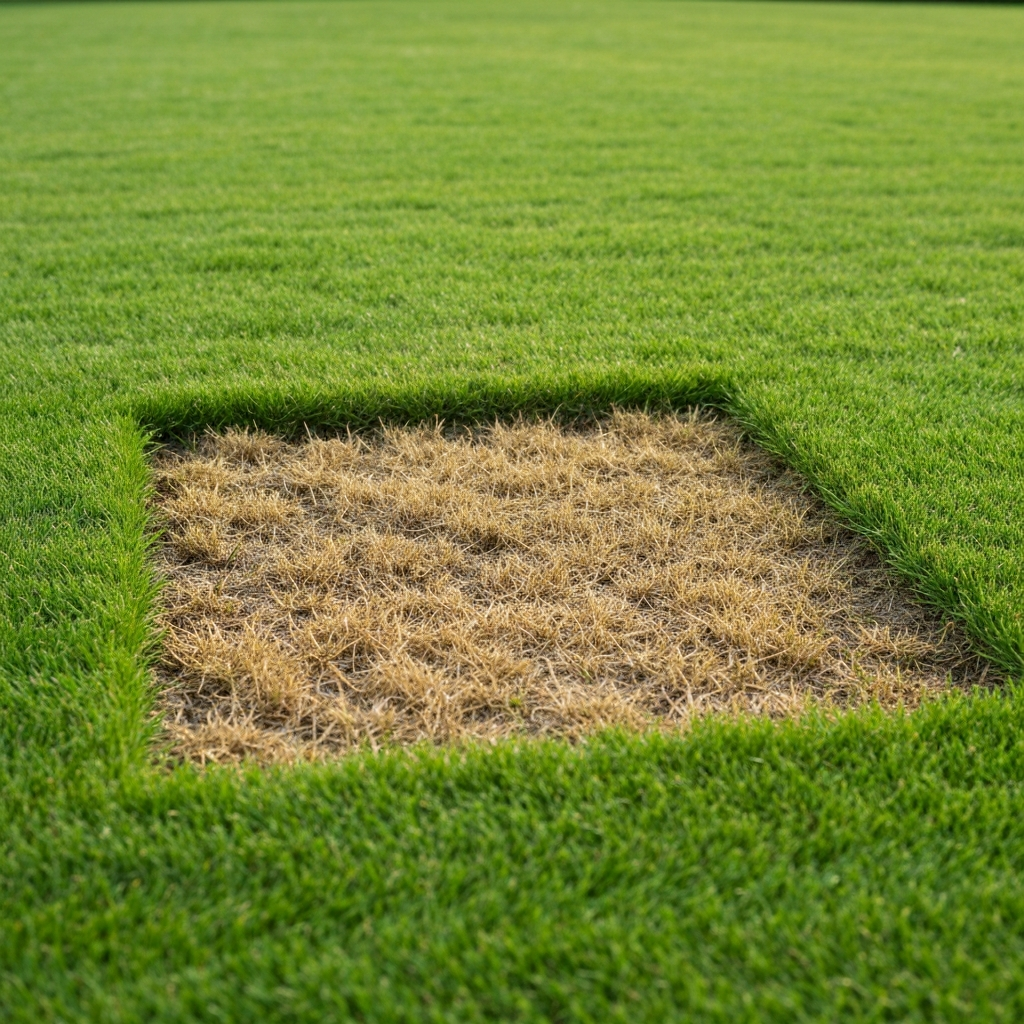
The Signs: Irregular brown patches appear in late summer. You can easily peel the dead grass back like a loose carpet because the roots are gone. You may also notice raccoons, skunks, or birds digging up your yard to eat the grubs.
The Fix: Apply a preventative grub control product (containing imidacloprid or chlorantraniliprole) in the spring or early summer. If you already have an infestation, you must use a curative, fast-acting insecticide in the late summer.
2. Chinch Bugs (The Sap Suckers)
Chinch bugs are tiny insects that pierce the grass blades and suck out the plant fluids, injecting a toxin that causes the grass to turn yellow and die.
The Signs: Expanding patches of yellow or brown grass, typically starting near driveways or sidewalks where the heat is highest. They are a massive problem in the South. Homeowners needing lawn care in Miami, FL frequently battle chinch bugs in St. Augustine grass.
The Fix: Apply a liquid or granular insecticide specifically labeled for chinch bugs, ensuring you treat the entire lawn, not just the brown patches.
3. Fire Ants
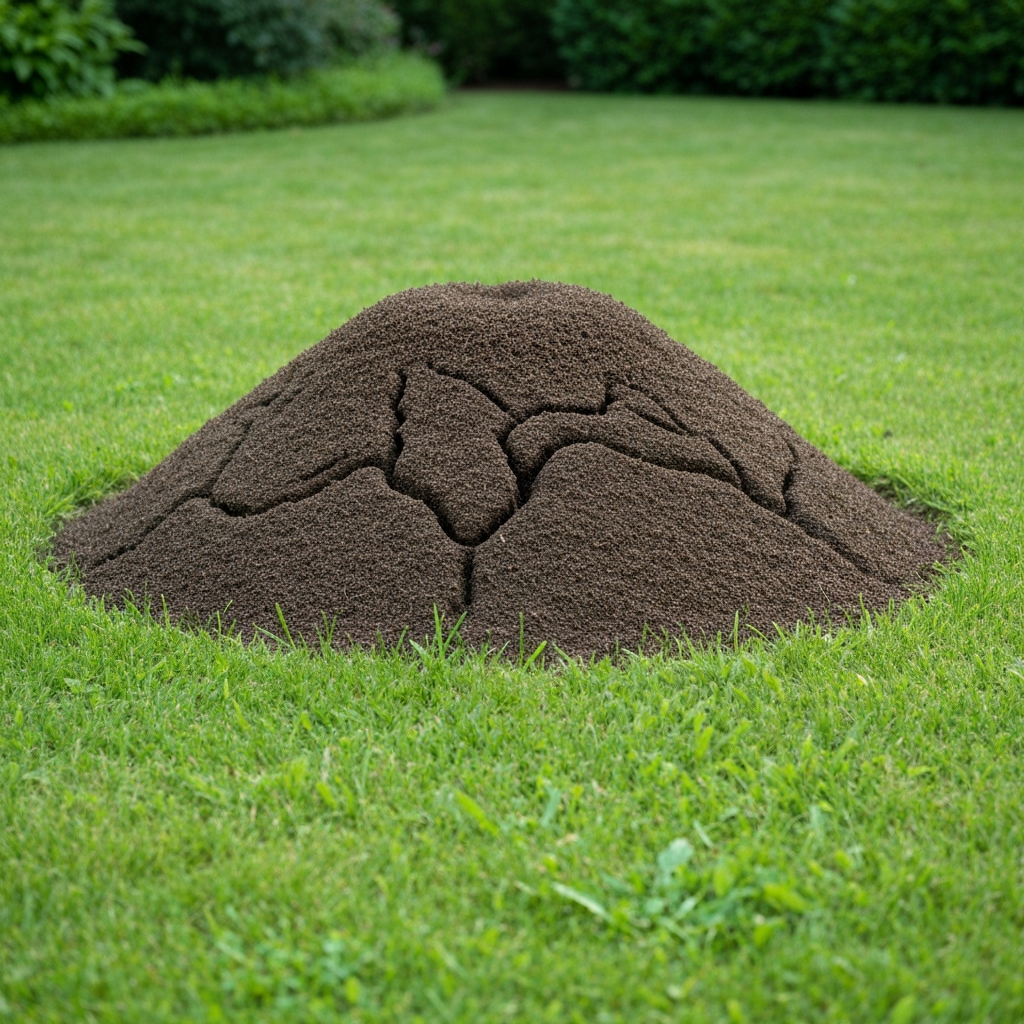
While fire ants don't typically eat grass, their massive mounds smother the lawn, ruin mower blades, and their aggressive, painful stings make your yard unusable.
The Signs: Large, dome-shaped mounds of loose soil, especially after heavy rain.
The Fix: Use the "Two-Step Method." Broadcast a fire ant bait over the entire yard, which the worker ants will carry back to the queen. A few days later, treat individual problem mounds with a liquid drench or dust.
4. Armyworms
These caterpillars march across lawns in massive numbers, eating the grass blades down to the dirt in a matter of days.
The Signs: Grass looks chewed, ragged, or completely stripped. You may see the caterpillars crawling on the grass in the early morning.
The Fix: Liquid insecticides applied in the late afternoon (when armyworms begin feeding) are highly effective.
Handling chemical pesticides can be dangerous and confusing. If you suspect a major infestation, it is highly recommended to call in the professionals. Expert landscaping services in Houston, TX or yard maintenance teams in Atlanta, GA have the licensing and knowledge to eradicate pests safely.